Craniosacral Therapy in Denver
Gentle, hands-on bodywork for the nervous system, for stress and anxiety, hormonal health, pregnancy and postpartum recovery, at StillPoint Within on W 38th Ave in Denver's Berkeley neighborhood.
What craniosacral therapy is
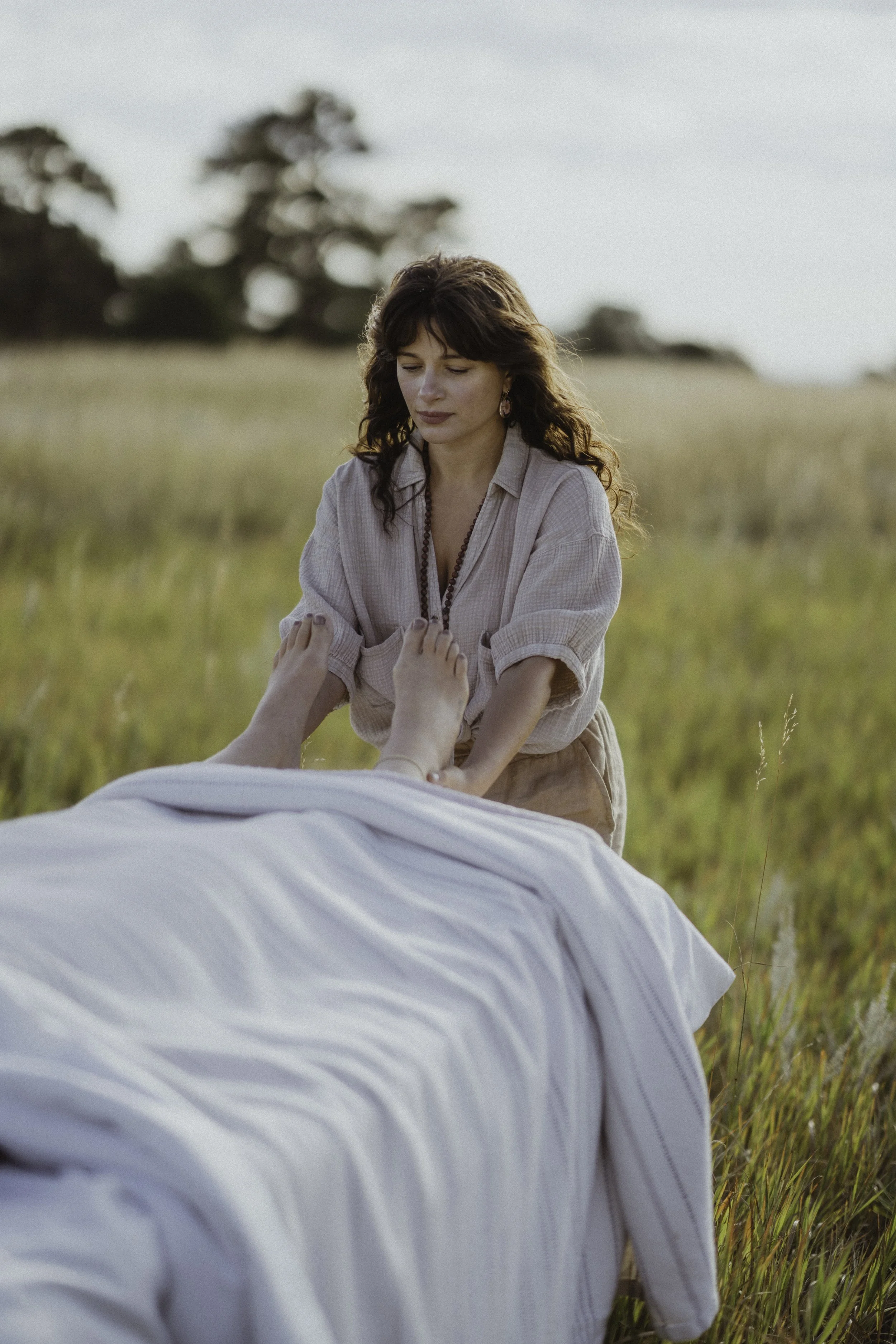
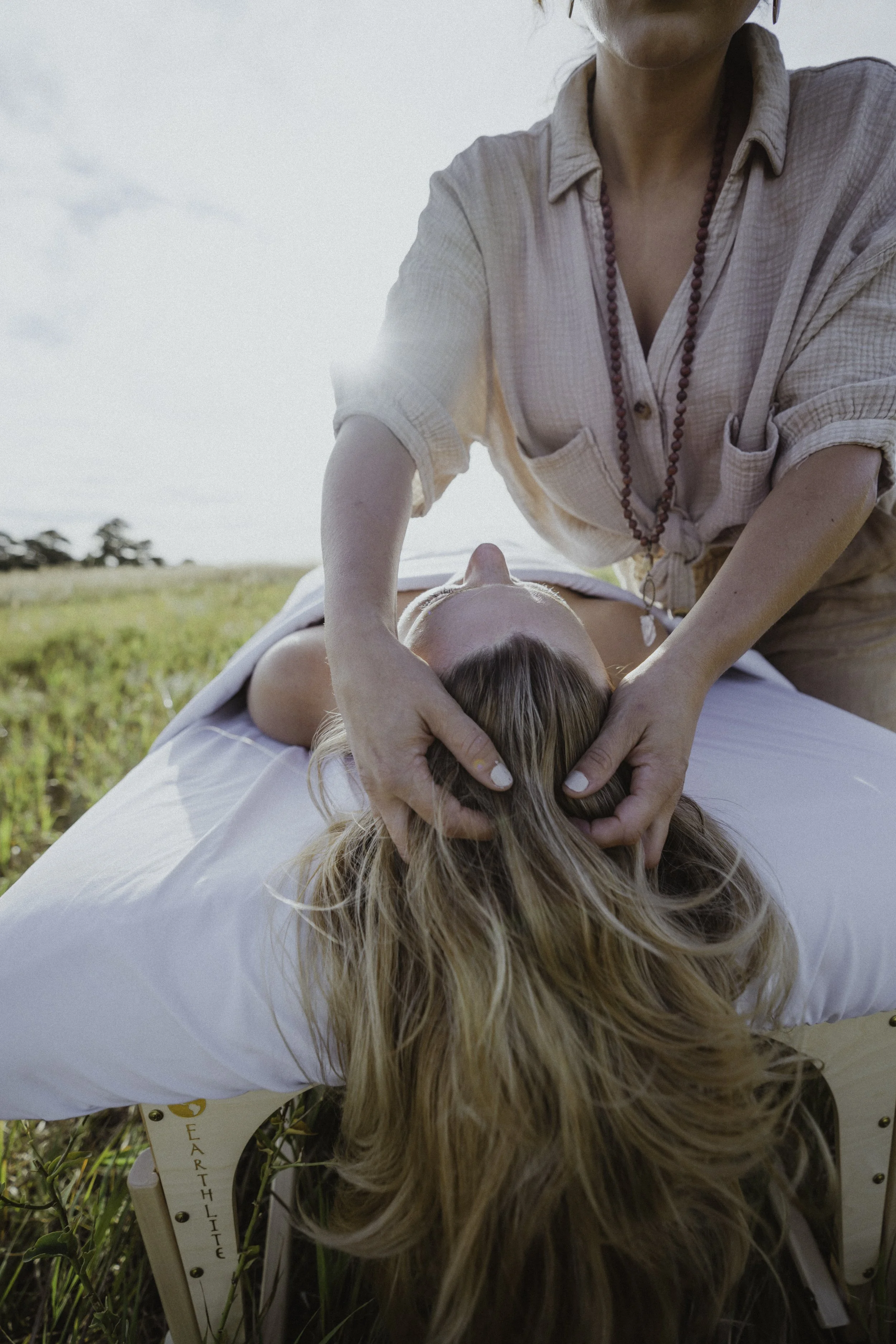
Craniosacral therapy (CST) is a light-touch practice. With soft, steady holds at the head, neck, spine and sacrum, your practitioner listens for restrictions in the membranes and fluid that surround the brain and spinal cord, and helps them soften. The aim is to settle the nervous system so the body can do more of its own reorganizing.
It's quiet work. Many people drift somewhere between awake and asleep, and leave feeling spacious, grounded and rested in a way that deeper pressure alone rarely gives.
How craniosacral therapy works with the body
The cranial rhythm and the still point. Your brain and spinal cord float in cerebrospinal fluid, held inside three protective membranes called the meninges. The fluid cushions the brain, helps clear waste, and keeps the environment around the nerves steady. A craniosacral practitioner feels a slow, subtle rhythm in this system, about 6 to 12 cycles a minute, and uses light touch to follow its pace, depth, symmetry and quality. When the rhythm pauses on its own, it's called a still point, and it's often when the deepest rest happens.
The body's diaphragms. The breathing diaphragm is one of several horizontal layers of tissue in the body. Others sit at the base of the skull, the jaw, the upper chest and the pelvic floor. Together they influence fluid movement, vagal tone and spinal stability. That's why a session may include gentle holds at the ribs or pelvis, not just the head.
The sphenoid, a crossroads. The sphenoid bone sits behind the eyes at the center of the skull. Several major cranial nerves pass through it, including the optic nerve and the trigeminal nerve, which connects the face, jaw and brainstem. Tension here often shows up as headaches, eye strain, jaw pain, or a nervous system that won't settle.
Hormones and the stress response. The sphenoid also cradles the pituitary gland in a small saddle-shaped hollow. Working with the hypothalamus, the pituitary sends signals to the thyroid, adrenals and ovaries. The hypothalamus responds to how safe the body feels. Under ongoing stress its signals change, and sleep, metabolism and cycles adapt to match. Craniosacral therapy doesn't change hormone levels directly. By helping the nervous system move out of a stress state, it supports the conditions these systems need to find their balance.
Stress, memory and the body. The limbic system gives experiences their emotional weight and places them in time and context. Overwhelming stress can leave memories held as fragments, such as sensations, images or bodily reactions that still feel present. In a session that feels safe and unhurried, some clients find these responses soften. The aim isn't to erase anything. It's to let the body feel the difference between what happened and what is happening now. This work can complement therapy with a mental health professional, not replace it.
Sleep and deep rest. The pineal gland, deep in the brain, produces melatonin and helps regulate sleep and waking. The deep rest of a craniosacral session gives the body room to settle into that natural rhythm.
Craniosacral therapy for women's health
Hormonal health. Hormones follow the nervous system's lead. When the body stays in a stress state, it can show up as irregular cycles, PMS, perimenopause symptoms, poor sleep or fatigue. Craniosacral therapy works gently with the head, spine and pelvis to help the body move out of that stress state, supporting the conditions your hormones need to rebalance. It works well alongside care from your doctor, midwife or naturopath.
Pregnancy. Pregnancy changes everything at once: posture, sleep, hormones and emotional landscape. Craniosacral therapy is gentle enough for every trimester. We use side-lying positions and bolsters for comfort, and the light touch can ease low back, hip and pelvic tension, jaw clenching and headaches, along with the general overwhelm. It pairs well with our prenatal massage.
Postpartum recovery. After birth, the body is healing while the nervous system runs on little sleep and high alert. Postpartum craniosacral therapy offers deep rest and gentle work with the pelvis, diaphragm, neck and jaw, and supports recovery after both vaginal and cesarean births. It's gentle enough for any point after birth; we still recommend checking in with your doctor, midwife or doula first.
Both Flutura and Shannon work with pregnant and postpartum clients. Flutura brings the deepest experience in this work.
Support for nervous system dysregulation
Nervous system dysregulation is when the body gets stuck in fight-or-flight or shutdown. It can feel like anxiety, a racing mind, trouble sleeping, exhaustion, feeling numb or on edge, or tension that never fully lets go. Craniosacral therapy works directly with this system. Slow, steady touch at the skull, spine and diaphragms helps calm the vagus nerve and gives your body a felt sense of safety, so it can find its way back to rest. Clients often tell us it's the first time their mind has actually gone quiet during a session.
Who it's for
People often come to craniosacral therapy for:
Chronic pain and persistent head, neck or jaw tension
Migraines and tension headaches
TMJ, clenching and jaw pain
Stress, anxiety and a nervous system that feels stuck on high alert
Fatigue and restless sleep
Recovery after concussion or head injury, alongside care from your doctor
Emotional stress and times of transition
Craniosacral therapy supports medical care; it doesn't replace it. If you're recovering from an injury or managing a condition, let us know when you book.
What a session is like
You stay fully clothed, so wear something comfortable.
We start with a short check-in about what's going on and what you'd like from the session.
You rest on the table, face up, with bolsters and a warm blanket.
Touch is very light and held for a while in each area.
Afterward, give yourself a little time. Many people feel slow and calm for the rest of the day.
Sessions and pricing
Craniosacral Therapy
With Shannon: 75 min $145 · 90 min $160
With Flutura: 75 min $180 · 90 min $200
Massage & Craniosacral — therapeutic massage with moments of stand-alone craniosacral holds, for muscular relief and deep nervous system rest.
With Shannon: 60 min $120 · 75 min $145 · 90 min $160 · 120 min $215
Craniosacral & Face Massage — cranial and facial massage, lymphatic drainage and facial cupping, finishing with craniosacral therapy.
With Flutura: 90 min $220
Nervous System Touch Work — restorative bodywork built on craniosacral therapy and nervous-system-supportive touch and dialogue.
With Flutura: 90 min $220 · 120 min $300
Flutura's prices are all-inclusive, and she doesn't accept gratuity. Gratuity is welcome for sessions with Shannon. New clients receive $15 off any service with Shannon.
Your practitioners
Flutura Hajdini, owner and massage therapist, has 12 years of experience in integrative bodywork. Her work is less about orienting to dysfunction and more about supporting the body's own organization and vitality. She also offers TMJ and intra-oral massage, which pairs naturally with craniosacral work.
Shannon Case, massage therapist, works from curiosity, care and a deep respect for the body's innate intelligence, listening for the quieter ways it communicates through tension, sensation and pattern.
Questions
How is this different from massage?
Massage works with muscle and soft tissue, often with more pressure. Craniosacral therapy uses very light, held touch and focuses on the nervous system. If you'd like both, book Massage & Craniosacral.
How many sessions will I need?
Some people feel a shift after one. For longer-standing patterns, a few sessions close together often helps. Shannon's Into Stillness Series is a good way in: 20% off your first session and 15% off your next two.
Where are you?
4705 W 38th Ave, Denver, CO 80212, in the Berkeley neighborhood near Highlands, Sloan's Lake, Regis and Wheat Ridge.
What's your cancellation policy?
Cancellations within 48 hours are charged 50% of the service price. Missed appointments without notice are charged in full.
Is craniosacral therapy safe during pregnancy?
Yes. Craniosacral therapy is gentle enough for every trimester. We use side-lying positions and bolsters so you're comfortable, and please let us know you're pregnant when you book.
How soon after giving birth can I come in?
Craniosacral therapy is gentle enough for any point after birth, including after a cesarean. We still recommend checking in with your doctor, midwife or doula first.
Can craniosacral therapy help with hormonal imbalance?
It doesn't change hormone levels directly. Your hormones respond to how safe your nervous system feels, and craniosacral therapy helps the body move out of a stress state. Many women use it alongside care from their doctor, midwife or naturopath for cycle, perimenopause and sleep concerns.
What does nervous system dysregulation feel like?
Often anxiety, a racing mind, poor sleep, exhaustion, feeling on edge or numb, or tension that never fully lets go. Craniosacral therapy gives the body a felt sense of safety so it can settle back into rest.